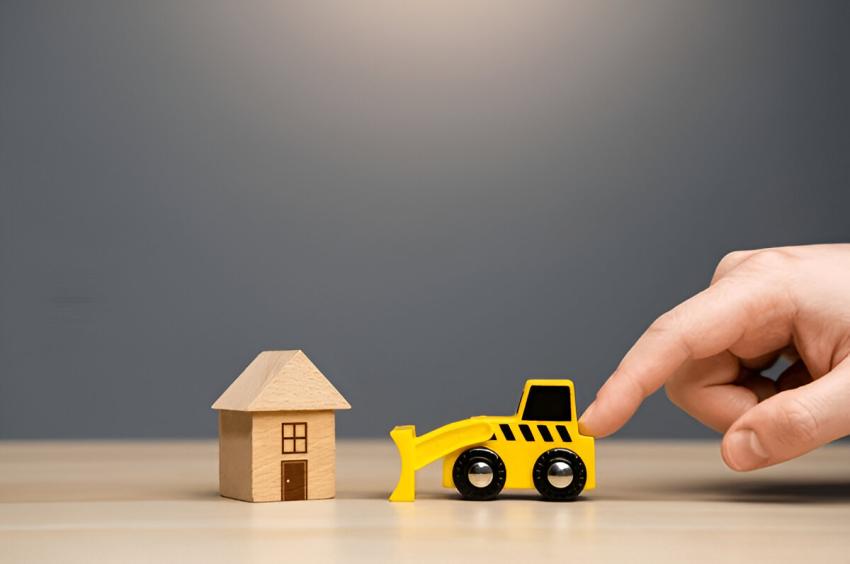
Old sheds lean, garages crack, and storm-damaged wings can threaten family safety. Still, tackling demolition alone can feel risky—and for good reason. Contacting residential demolition services in Rockville MD, connects you with trained professionals who guide every step. First, they assess the building’s structure. Then, they identify potential hazards and select the right tools for your home’s size, layout, and soil conditions. Because clear steps replace fear, this guide walks you through the full journey. Moreover, you will learn why permits matter, how dust travels, and where broken bricks finally rest. Consequently, you can speak confidently with contractors, saving time and cash. Ready to make space for something new? Let’s explore safe demolition from start to finish.
1 | Residential Demolition Services in Rockville MD: Start with Safety
Licensed crews begin with local code checks and pull the right permits before gear arrives. Because Rockville enforces setback rules, workers stake bright lines so machines stay legal. A site fence then blocks curious kids. Moreover, supervisors post emergency numbers at the gate, ensuring help is near. An OSHA study notes that proper prep cuts accident rates by thirty percent. Therefore, a slow first day speeds up the full job. Finally, daily briefings review tasks, so every hand knows its zone.
2 | Inspect and Plan Before Any Wall Falls
Before metal bites wood, teams inspect:
- Load paths that show where the weight travels
- Cracks that hint at hidden weakness
- Power lines that cross overhead
- Soil stability around foundations
Next, engineers decide whether to brace weak corners. Because surprises harm budgets, they also scan with thermal cameras for live wiring. Furthermore, planners list nearby homes, informing neighbors about noisy windows. Consequently, clear plans cut mid-project pauses and protect both people and pets.
3 | Handle Hazards: Asbestos, Lead, and Mold
Many pre-1980 structures hide toxins. Therefore, certified testers collect samples from siding, tile, and pipe wrap. Results guide the next moves:
- Seal rooms with plastic if asbestos appears
- Strip lead paint using low-heat tools
- Fog mold with safe biocides before walls open
Because dust can drift yards away, crews run negative-pressure fans that pull air through HEPA filters. Moreover, sealed dumpsters keep waste locked during travel. Consequently, neighbors breathe easy while work continues.
4 | Tools, Gear, and Skilled Hands
Precision requires the right mix:
- Hydraulic shears slice steel beams cleanly
- Concrete breakers turn slabs into movable chunks
- Dust cannons spray fine water curtains
- High-visibility vests help spot workers fast
Operators train for hundreds of hours, moving buckets within inches of gas meters without strikes. Moreover, spotters use radios with noise-canceling mics, so commands stay clear above engines. Because everyone sees and hears, accidents drop sharply.
5 | Control Dust, Noise, and Vibration
City codes limit decibels and airborne particles. Therefore, crews schedule loud hits after 9 a.m. and finish before dusk. They also:
- Set the hose nozzles on mist to trap dust mid-air
- Place rubber pads under breakers to soften shocks
- Use noise blankets on fences facing neighbors
- Log vibration readings to protect old basements
Furthermore, daily reports track wind speed; high gusts pause high-reach work. Consequently, cleanup needs shrink, and community goodwill rises.
6 | Sort Debris for Recycling and Disposal
Torn lumber, brick, and metal should not mix. Instead, workers create labeled piles: concrete, steel, wood, and drywall. A recent EPA fact states that recycling concrete can cut landfill waste by forty percent. That’s why crushed concrete becomes road base, steel rebar gets melted down into new beams, and clean wood is turned into mulch. But recycling isn’t just automatic—residential demolition services in Rockville MD help arrange haulers and ensure everything meets local yard rules, including special tag requirements.
7 | Restore the Site for Next Dreams
Demolition ends only when the ground stands level and clean. Crews backfill holes with compacted soil, ensuring future slabs sit stably. Then, they spread seed to tame erosion. Moreover, inspectors verify that utility caps remain visible above grade. Because final photos prove compliance, keep digital copies for loan officers and future buyers. Consequently, the cleared lot welcomes builders without delays.
Clear the past—build tomorrow, safely and smartly!
Safe structure removal blends strict planning with skilled action. When you partner with residential demolition services, you gain experts who respect codes, handle hazards, and recycle wisely. Call Blue Rock Remodeling today, schedule an inspection, and watch your old walls disappear correctly.