In an economically globalized world sustained by moral decisions and well-informed consumers, trust is the most precious asset of any business. For sectors dealing with food, cosmetics, drugs, and even logistics, halal certification is increasingly becoming a symbol of credibility and quality control.
But it's more than just a religious seal of approval—it's a universally accepted scheme that guarantees products adhere to high standards of hygiene, ingredients, and responsible sourcing. With growing consumer demand from Muslim and health-conscious consumers around the world, attaining halal certification can help give your business the competitive edge both in the Middle East and globally.
What is Halal Certification?
Halal is an Arabic word for "permissible" or "lawful". It describes products and services that meet Islamic dietary and ethical requirements. Halal certification is a official process by which a certifying organization assures that the ingredients, manufacturing processes, packaging, and handling conform to those requirements.
Although most often related to foods, halal certification is also used for:
- Cosmetics and personal care products
- Drugs and supplements
- Meatpacking plants and slaughterhouses
- Packaging materials and supply chains
It guarantees that the whole supply and production chain is conducted according to halal standards, such as no alcohol, pork by-products, or cross-contamination.
Why Halal Certification Is Important
✅ Global Halal Market Access
The global halal market is valued at more than USD 2 trillion, covering food, apparel, healthcare, and more. Certification provides access to trade in nations around the GCC, Southeast Asia, Africa, and Europe.
✅ Consumer Trust
Halal certification guarantees Muslim consumers that your product is compliant with their ethical and religious values. It also attracts non-Muslim consumers who value hygiene and clean labeling.
✅ Compliance with Regulation
In most nations, halal certification is mandatory for import or retail by law. Saudi Arabia, the UAE, Indonesia, and Malaysia have strict regulations on halal products.
✅ Business Differentiation
With increased ethical consumption, halal-certified products are usually chosen for their traceability, purity, and ethical values.
Industries Requiring Halal Certification
If your company is based in or shipping to Muslim-majority countries, it can be necessary for you to obtain halal certification in:
- Food and Beverage – Restaurants, packaged foodstuffs, dairy products, meat, confectionery
- Pharmaceuticals—capsules, syrups, and vitamins
- Cosmetics – Lipsticks, creams, perfumes
- Logistics and Cold Chain Transport – Particularly for meat and perishables
- Food Packaging – Wrappers, containers, and labels also need to be halal compliant.
- Each item goes through rigorous audits and checks before it can be certified as halal compliant.
Steps to Obtain Halal Certification
Below is a streamlined process that most companies take in order to get halal certification:
- Eligibility Check – Confirm your ingredients and processes meet halal standards
- Application Submission – Provide documents such as ingredient lists, sourcing information, and flowcharts
- On-site Inspection – The certifying body comes to your facility and inspects hygiene, equipment, and storage
- Testing & Analysis – Product samples are tested, if required, in certified laboratories
- Certification Approval – You get a halal certificate upon clearing the audit, which is 1–2 years valid
- Surveillance Audits – Periodic audits are done to verify continuous compliance
New to this? You can check out this trustworthy halal certification service that assists UAE-based and global companies through the certification process.
Halal Certification in the UAE
The UAE is a regional leader in halal regulation. It has taken up UAE's GSO standards, harmonised with international halal systems. All food or cosmetic products which are sold or exported from the UAE must be certified by an accredited agency.
Some of the key authorities are:
- ESMA (Emirates Authority for Standardization and Metrology)
- Dubai Municipality for local retail compliance
- Halal National Mark for branding halal-certified products in the UA
- Collaboration with local consultants will streamline your approval process and prevent delays in customs or retail stores.
Benefit of Local Certification Experts
Local consultancy is aware of both global halal standards and the UAE's regulatory context. Consultants assist:
- Preparation of documents and technical files
- Training employees and making facilities ready
- Coordinating with halal authorities
- Pre-inspection audits and laboratory tests
- Professional help minimizes delays, prevents costly rejections, and provides smooth certification.
- Final Thoughts
Halal certification is not just a market demand—it's an assurance of transparency, security, and ethical manufacturing. Exporting food to the GCC or introducing a new line of cosmetics? Halal certification enhances your brand's reputation and opens the door to new business growth opportunities.
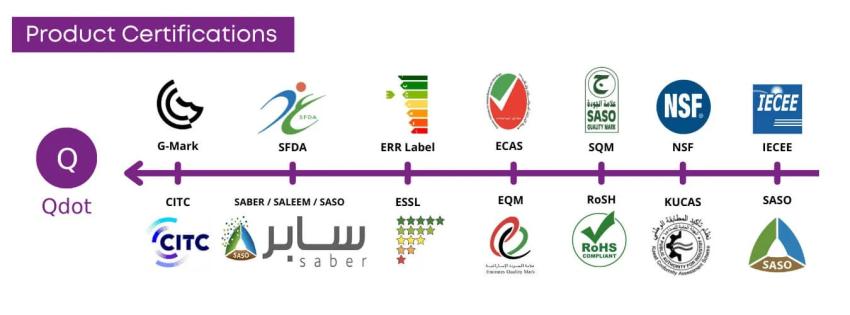
Need consulting services or ready to be certified? Let the experts at Qdot handle your certification process to be efficient, compliant, and up-to-date with the newest halal regulations.