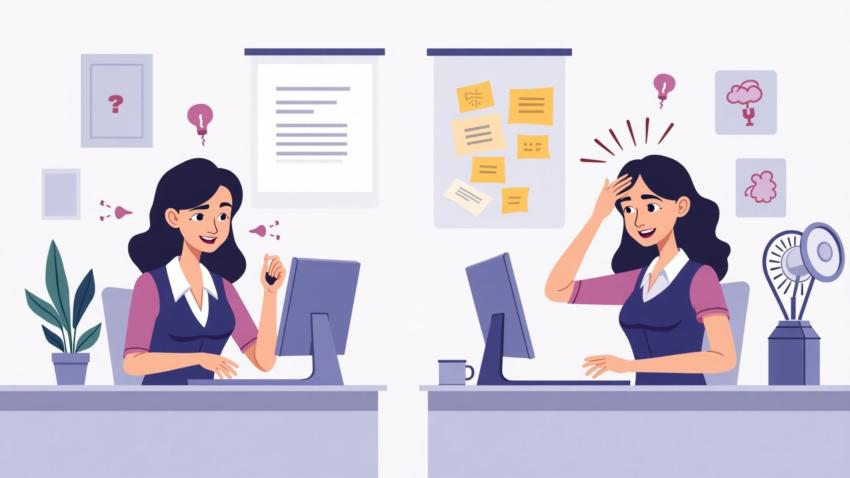
Let’s be honest: menopause and productivity are not words you often see together in a boardroom discussion or HR policy deck. And yet, they absolutely should be. Menopause is not some niche issue impacting a handful of employees; it’s a universal life stage that half the working population will go through. But here’s the catch: it’s still largely invisible in the workplace. Women experiencing menopause often show up, day after day, managing hot flashes during client meetings, brain fog in strategy huddles, or insomnia-fueled exhaustion during back-to-back Zooms, all while pretending nothing is happening. That silence comes at a cost. Not just to the individual, but to organisations as well.
The Silent Disruptor: What Menopause Feels Like at Work
Imagine this: A senior manager, let’s call her Nita, who has been a high performer for over a decade, suddenly starts missing deadlines. She forgets small details in presentations and zones out in meetings. She begins to withdraw, not because she doesn’t care, but because she’s dealing with unpredictable symptoms like night sweats, anxiety, mood swings, and joint pain. Her confidence dips. Her engagement drops. Her team senses the shift, but no one knows why. This isn’t a story about burnout or lack of motivation; it’s about how menopause affects productivity in women.
According to a UK study by the Fawcett Society, 1 in 10 women actually leave the workforce due to menopause-related challenges. That’s not a "women’s health issue"; that’s a talent drain.
Why Engagement Falters?
One of the biggest challenges during menopause is cognitive strain. Brain fog, a combination of forgetfulness, lack of focus, and mental fatigue, isn’t just frustrating; it’s disorienting. Imagine trying to lead a critical brainstorming session when you can’t remember key figures from last week’s report. It's a blow to self-esteem, which directly affects how connected women feel to their roles. And when engagement goes, so does retention. Many midlife women begin to question whether they still "belong" in the fast-paced workforce. They may feel sidelined, irrelevant, or unsupported. Add to that the pressure of ageism and the stigma around menopause, and you have a perfect storm that quietly pushes top talent out the door.
Retention: What’s Really at Stake?
Now, let’s zoom out. We often celebrate the rise of women leaders, but what happens when those very leaders begin disappearing at mid-career? Losing senior women isn’t just a gender equity issue; it’s a business one. These are mentors, cultural anchors, client whisperers, and institutional memory keepers. When they leave, they take more than a LinkedIn update with them; they take years of investment, perspective, and leadership capacity. What makes this even more frustrating is how solvable the problem actually is. We're not talking about building expensive menopause wellness programs from scratch. Often, simple awareness and flexibility go a long way.
So, what works? The Best Workplace Practices for Menopause Support
Let’s ditch the idea that support equals sympathy. Real support means action.
1. Normalise the Conversation
The first step? Take menopause out of the shadows. Leaders, especially male leaders, need to talk about it with the same ease as they do parental leave or mental health. Training managers to recognise the symptoms and provide empathy-driven responses can prevent a talent crisis before it starts.
2. Flexibility, Not Favours
Offering flexible hours, work-from-home options during flare-ups, or the ability to attend medical appointments without guilt isn’t “extra support.” It’s simply good management. It allows women to maintain their performance without pushing through pain or pretending they’re fine.
3. Create Safe Spaces
Whether it’s anonymous forums, dedicated ERGs (Employee Resource Groups), or menopause-friendly policies, psychological safety is key. Women need to know that they won’t be judged, penalised, or seen as “less capable” because of a natural phase in their lives.
4. Rethink Wellness Initiatives
Instead of generic wellness emails, organisations can offer tailored resources: access to hormone therapy information, dietary sessions, stress management workshops, or even menopause-specific health insurance coverage. It's not about hand-holding, it's about acknowledging reality.
5. Measure What Matters
Track retention rates among midlife women. Look for patterns in sick leaves or engagement scores. Don’t wait for exit interviews to realise there’s a problem. Proactive data can drive smarter interventions.
Companies That Are Getting It Right
A few forward-thinking companies are already leading the charge. For instance, Vodafone rolled out a global menopause policy offering leave and resources for women going through difficult symptoms. Channel 4, the UK broadcaster, introduced menopause awareness training and flexible work options. These aren’t just PR stunts, they're tangible culture shifts. Closer to home, smaller organisations are also catching on. A mid-sized tech startup in Bengaluru introduced a "recovery leave" that could be used for menstruation or menopause-related needs, no questions asked. The result? Improved morale and higher retention among senior women employees.
This Isn’t Just a Women’s Issue, It’s a Leadership Issue
Here’s the uncomfortable truth: most companies invest more in coffee machines than they do in midlife women’s wellbeing. Yet these women often form the backbone of institutional knowledge and team stability. Supporting them isn’t just fair, it’s strategic.
In the era of quiet quitting and employee disengagement, menopause is the overlooked retention lever. When women feel seen, they stay. When they feel supported, they soar.
Conclusion: A Wake-Up Call for Every Workplace
Menopause might be inevitable, but losing top talent because of it isn't. By acknowledging the real challenges and implementing smart, empathetic solutions, workplaces can shift from silent bystanders to active allies. It's time to redesign work culture not just for the energetic 25-year-old or the rising manager, but for the experienced, insightful, unstoppable woman in her 40s and 50s who’s navigating a change she never signed up for, but is showing up for every single day.
Supporting her isn’t just good HR. It’s smart business.