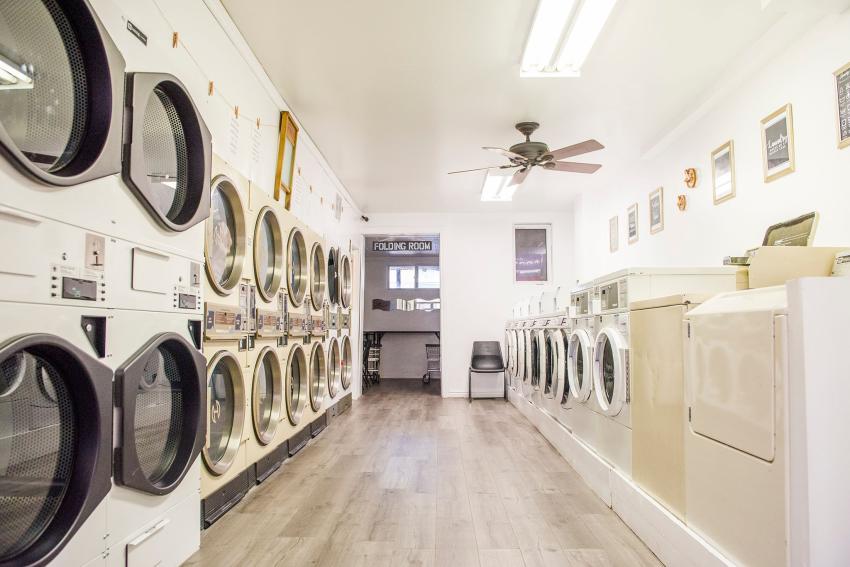
We love saving minutes, yet crisp shirts still matter. You may hunt the fastest laundromat after work, hoping to sprint through chores. However, does a shorter cycle always win? This guide digs into common myths, shows hidden trade-offs, and shares facts you can trust. First, we’ll explain how machine design affects spin time at Houston fastest laundromat, where high-G-force washers redefine efficiency. Next, we’ll reveal why detergent chemistry sets a lower speed limit, no matter how advanced the machine. Finally, you’ll learn balanced tips that keep both the clock and clothes happy. So, pour a cool drink, relax, and let’s explore whether laundry lightning truly strikes twice.
1. Myth One: Short Cycles Clean the Same: Houston Fastest Laundromat
Many ads boast an 18-minute wash. Nevertheless, dirt follows science, not slogans. Rapid programs cut soak stages, and thus, heavy soil may stay. A 2023 Fabric Care Study showed quick cycles left 12 % more residue on cotton tees. Meanwhile, hotter water can help, yet energy surges too. Therefore, balance is key. When you face mud-stained jeans, choose the standard 30-minute option, then shave time later at the dryer. Remember, saving eight minutes up front may cost hours scrubbing stubborn spots afterward.
2. Spin Speed Hype: More RPM Isn’t Always Gentler
Fast machines twirl up to 1,200 RPM. Yet delicate seams protest.
High g-force reduces dampness, yet it can stretch knit cuffs.
Zippers slam harder against drums, so scratches grow.
Fabric labels limit safe spin to under 800 RPM on many items.
Because manufacturers aim for universal numbers, you must match settings to your load. Furthermore, at Houston fastest laundromat, max spin speeds are boldly labeled—yet it’s still essential to read garment tags first to avoid fabric damage. Consequently, you protect both your wardrobe and wallet.
3. Chemical Reality: Detergent Needs Dwell Time
Soaps break oils slowly.
Most liquids reach peak cleaning at eight minutes of contact time.
Quick cycles cut dwell to four, halving grease removal power.
Cold-water pods dissolve slower, so fragments may cling.
Therefore, when you run a speed wash, pre-treat collars or switch to warm water. “Give enzymes minutes, not moments,” notes chemist Dr. Lee Rivera. His quote reminds us that chemistry ignores our hurry.
4. Power Draw: Speed Cycles Can Burn Extra Watts
Saving time may raise the bill. Ultra-fast spins demand stronger motors and longer ramp-up phases. An EnergyStar brief found that express settings use 9 % more electricity per pound washed.
Motors surge to full speed twice, not once, in compressed programs.
Pumps run continuously to meet swift rinse quotas.
Quick dryer boosts reach high heat, sipping more gas.
Because electric rates climb, a balanced 25-minute wash could save $25 yearly versus always pressing “Turbo.” Thus, speed costs more than quarters.
5. Myth Two: Faster Means Safer Against Germs
Heat, not haste, kills bugs. While speed cycles race, they often lower water temps to protect fabrics. According to CDC laundry guidance, bacteria need 160 °F for 25 seconds to die. Quick, cool washes rarely hit that mark. Instead, add a disinfecting additive when you must rush baby blankets or gym gear through the fastest laundromat circuit. Consequently, you guard your health without a long wait.
6. Drum Capacity Limits Still Apply
Large washers tempt us to cram.
Over-stuffing blocks detergent flow, so stains hide inside folds.
Tight loads unbalance fast spins, triggering auto-slowdowns that defeat the “fast” promise.
Manufacturers rank optimal fill at three-quarters height, not brim level.
Therefore, bulky bedding is divided into two medium cycles. Yes, you spend extra minutes, yet dryers run smoother, and the fabric dries evenly.
7. Bullet-Proof Myths About Dryer Speed
Dryers publish “quick fluff” modes, yet fluff is air, not heat.
Quick cycles vent cool air; heavy towels exit damp.
High-heat express may scorch elastic waistbands.
Sensor dryness stops early if sheets wrap around sensors.
Thus, shake items midway or add a clean, dry towel to absorb moisture and genuinely slash time. Experienced attendants at Houston fastest laundromat spots share this hack daily.
8. Balancing Act: When Fast Settings Shine
Speed has its place. Light gym wear, thin linens, or last-minute uniforms gain from express modes. Moreover, off-peak hours let you combine two quick machines side by side, folding both loads simultaneously—the secret lies in judging soil, fabric, and urgency together. Therefore, choosing thoughtfully and quickly becomes smart, not sloppy.
Conclusion: Choose Speed Wisely, Not Blindly
Chasing minutes feels tempting, yet smart users of the fastest laundromat know when to slow down. Read labels, pre-treat stains, and load drums right; then press turbo only if fabrics allow. Next wash day, test these tips, track results, and enjoy cleaner clothes without hidden costs. Ready to upgrade your laundry routine? Visit Sol Washateria today, try out top-tier machines, and share your success—your wardrobe will thank you with lasting freshness.
Wash smart—wear proud!