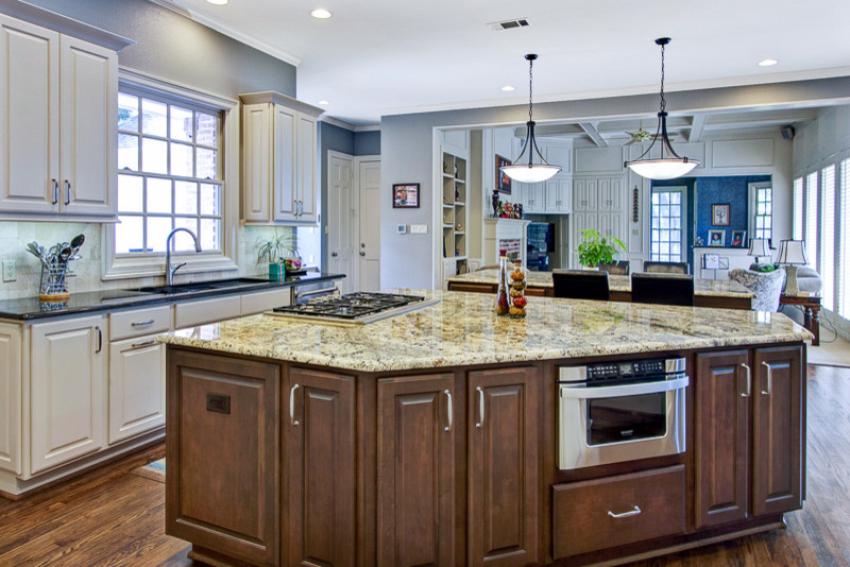
If you're planning a kitchen makeover and moving the stove to a new spot, there's something very important you need to think about—ventilation. That means how air moves in and out of your kitchen, especially when you cook.
When people search for kitchen remodeling near me, they usually think about new cabinets, shiny counters, or cool lights. But many forget how moving the stove affects where the smoke, heat, and smells go. If you don't plan that part well, your kitchen could get hot, smoky, and unsafe.
Good ventilation helps your kitchen stay fresh, clean, and safe. And when changing the stove's place, you'll need to change how the air moves, too.
Why Air Matters When You Move Your Stove: Google "Kitchen Remodeling Near Me"
The stove gives off heat, steam, and smells every time you cook. If your stove moves to a new place, those things will float in different directions. That means the old vent (or fan system) might not work anymore.
What changes when the stove moves:
Where the heat and steam go
How far the air has to travel to leave the kitchen
What walls or windows are nearby
How do you connect to outdoor air
So when the stove changes spots, you need a new plan to correctly move the air out of the kitchen.
Tip: Airflow is just as important as your kitchen's look. It keeps the space safe and comfy.
What Happens If You Forget About Good Ventilation
If your kitchen isn't ventilated well, it can get uncomfortable or dangerous. Without a strong vent, smoke and hot air get trapped. That can lead to:
Sticky grease on your walls and cabinets
Weird smells that won't go away
Too much heat in the kitchen
Breathing problems from poor air
Even worse, if gas stoves aren't vented right, carbon monoxide (a gas you can't see or smell) could build up. That's very unsafe. So good airflow isn't just nice—it's a must.
Different Ways to Vent Your Kitchen
You'll need to pick a new kind of vent when your stove moves. It also depends on where the stove goes. You might need a ceiling hood if it's on an island in the middle. If it's against the wall, a wall hood might be better.
Here are a few types of kitchen vents:
Wall-mounted hoods: Best if your stove is near the wall
Island hoods: Hang from the ceiling for center islands
Downdraft vents: Pull air down under the stove
Microwave hoods: Save space but might not be strong enough
Each one works differently. The key is picking one that also matches where your stove is and how much cooking you do.
Planning Where the Air Goes
Behind every vent, there are ducts—big tubes that carry the air outside. If you move the stove, you might also need to move these ducts.
Here's what makes airflow better:
Keep the ducts short
Don't let them twist too much
Always send the air outside—not to the attic
Use strong, metal ducts instead of bendy plastic ones
"Smart venting starts with what's behind the wall—not just what you can see."
Does Your Vent Fit Your Stove?
All vents are not the same. Some are made for big stoves with high heat. Others are fine for smaller stoves. You also want to match your vent and your stove.
Ask these questions:
Is the vent strong enough for your stove?
Can it remove steam and smells quickly?
Is there space for the duct to go out?
Will it pass local building rules?
Sometimes, fancy kitchens with islands look amazing but don't work well if airflow isn't planned properly.
Why You Should Work With a Good Pro
A big project like moving the stove and vent isn't a do-it-yourself job. You'll also need a general contractor Tarzana, who is a professional who handles pipes, wires, vents, and permits.
So, here's what a contractor helps with:
Make sure your remodel follows the law
Picking the right size and type of vent
Connecting everything the right way
Working with other pros like plumbers and electricians
Tip: Choose a contractor who can build kitchens—not just paint or tile.
Mistakes You Don't Want to Make
Some people forget about airflow or try to take shortcuts. That can also lead to big problems. Be careful to avoid:
Vents that stop in the attic instead of going outside
Fans that are too small
Ducts that are too long or twisted
Noisy fans that shake or hum
A good ventilation plan works well, sounds quiet, and lasts long.
Follow the Rules
Every city and state has its own building rules. These rules also help keep homes safe. You need to follow them when changing anything in the kitchen.
Working with a general contractor ensures you meet the following:
Building and safety codes
Fire rules
Electric and gas rules
Energy-saving rules
If you don't follow the rules, your remodel could be delayed or stopped.
What Good Ventilation Feels Like
When your kitchen has great airflow, you'll immediately feel the difference. The room won't feel hot. There won't be greasy smells. Cooking will also be more fun.
Here's what to expect with good ventilation:
No foggy windows after boiling water
No smells the next morning
Cabinets that stay clean
Easier breathing while cooking
So, that's what a well-planned vent system can do!
The Real Secret to a Happy Kitchen Remodel
Moving your stove is a great way to create a better kitchen layout. But if you forget about ventilation, the space can become a hot, sticky mess. So, when looking for kitchen remodeling near me, ensure your remodel plan includes airflow from the beginning.
Think of your kitchen like a living thing—it also needs to breathe. Moreover, with smart planning, strong vents, and expert help, you can have a kitchen that looks amazing and feels great every time you cook.
RSE Builders Inc. can help with that. From moving your stove to installing powerful vents, they ensure your kitchen is safe, modern, and built to last.