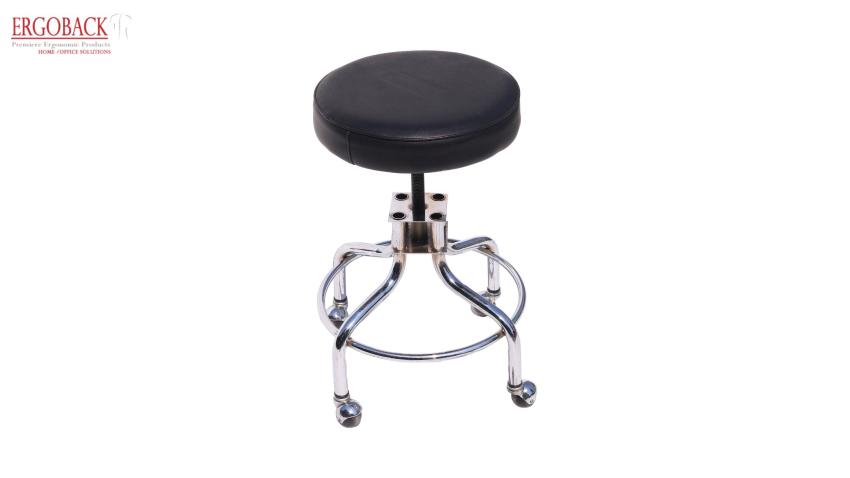
When setting up a professional medical office, ergonomic design and comfort should never be an afterthought. One essential component often overlooked is the rolling medical stool. Whether you're outfitting a dental office, chiropractic clinic, or outpatient facility, selecting the right stool can make a significant impact on both practitioner performance and patient care.
At ERGOBACK, we understand the importance of reliable and supportive seating solutions. The right stool helps maintain proper posture, reduces fatigue, and enhances mobility throughout your workday. In this guide, we'll walk you through how to choose the perfect rolling medical stool for your practice—highlighting the key features and considerations to keep in mind.
1. Understand Your Workflow and Space Needs
Before making any decisions, take time to evaluate how you'll be using the stool. Ask yourself:
Will the stool be used for short or long durations?
Is quick mobility around the room required?
Do you need the stool to slide under counters or work with specific tables?
Your answers will help determine the design and mobility features that suit your workflow best.
2. Prioritize Ergonomic Design
Comfort is key, especially in healthcare environments where long hours are common. Look for a rolling medical stool that offers:
Adjustable height settings to match your work surfaces.
Contoured or saddle-style seating to encourage natural spinal alignment.
Lumbar support (for backless stools, proper seat padding and angle become critical).
A stool designed with ergonomics in mind can prevent back, neck, and shoulder strain over time.
3. Choose the Right Mobility Features
Not all casters are created equal. Choose wheels based on the type of flooring in your clinic:
Hard casters are ideal for carpeted floors.
Soft casters work best on tile or hardwood to prevent slipping or scratching.
Some rolling medical stools also come with locking wheels to ensure stability when needed.
4. Evaluate the Upholstery and Materials
Hygiene is non-negotiable in medical settings. That means your stool should be made of easy-to-clean, antimicrobial, and durable materials. Consider:
Vinyl upholstery that resists stains and disinfectants.
Metal or plastic bases that are rust-resistant and easy to sanitize.
If your clinic has a particular aesthetic or color scheme, many manufacturers offer a variety of fabric colors and finishes.
5. Consider Weight Capacity and Stability
Ensure the stool accommodates a wide range of body types. Look for:
Heavy-duty frames (aluminum or reinforced nylon).
Stable five-leg bases for added support and balance.
A weight rating that comfortably fits your team and clients.
Avoid stools with narrow bases, which can tip over easily, especially when rolling quickly or leaning forward.
6. Customization and Accessories
Many modern rolling stools come with added features such as:
Foot rings or footrests for added comfort.
Backrests for support during extended sitting periods.
Tilt functions to encourage active sitting or dynamic movement.
Depending on your needs, these features can greatly improve day-to-day comfort.
7. Budget and Warranty
A high-quality stool is a long-term investment. While cost is always a consideration, avoid choosing based solely on the lowest price. Look for:
Reputable brands with warranties or return policies.
Transparent material specifications and user reviews.
Good customer support, in case replacements or adjustments are needed.
Spending a little more upfront can save you the headache (and backache) of replacing cheaper stools later.
8. Assembly and Maintenance
Check whether the stool requires assembly and if so, whether it's user-friendly. Also, review the cleaning and maintenance instructions. A stool that's easy to put together and maintain will save time and ensure hygiene in the long term.
Conclusion
A medical stool is more than just a seat—it's a tool that supports your posture, movement, and overall efficiency in the workplace. By prioritizing comfort, safety, mobility, and materials, you can find the perfect fit for your office environment.
If you're ready to upgrade your practice with a premium stool that combines function and form, contact us at homeofficeergonomics1@gmail.com or call 585-794-7913. At ERGOBACK, we’re committed to helping you work smarter and more comfortably, one seat at a time.
FAQs -
Q: What is the difference between a standard office stool and a rolling medical stool?
A: Medical stools are specifically designed for clinical environments. They prioritize hygiene, mobility, and ergonomic support for long hours of repetitive movements and patient interactions.
Q: Can I use a rolling medical stool on all floor types?
A: While most stools can move on different surfaces, choosing the right type of caster ensures smoother movement and floor protection. Soft casters are better for hard floors; hard casters suit carpets.
Q: How do I clean and maintain my rolling stool?
A: Use disinfectant wipes or mild soap and water. Avoid harsh chemicals that may degrade the upholstery. Check wheel function regularly and tighten bolts as needed.
Q: Are stools with backrests better?
A: That depends on usage. Backrests offer support during extended sitting, but backless stools promote active posture and are more compact. Choose based on your comfort preference and the tasks you perform.
Q: What weight capacity should I look for?
A: Most quality stools support 250–300 lbs, but heavy-duty versions are available if you require higher weight capacity for diverse staff or clients.
Ready to find your ideal stool? Trust ERGOBACK to support your practice with comfort and durability.