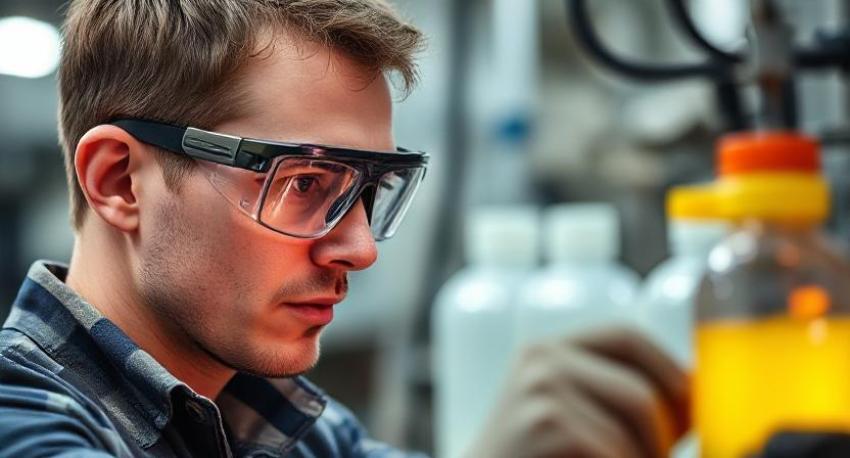
Wearing eye protection is important at work where dust, chemicals, and other hazards are common. A lot of people wear regular glasses but they might not protect eyes enough. This is where safety goggles over spectacles come in. They offer more protection than standard glasses and make a better barrier against harmful particles.
Why Regular Spectacles Are Not Enough?
The purpose of spectacles is to improve vision, not to protect against potential risks at work. They do not seal the eyes, even though they might provide some dust protection. This creates gaps for dangerous particles to enter, and cause damage to the eyes.
On the other hand, safety goggles over spectacles provide full coverage. They are designed to fit over prescription glasses while forming a protective shield around the eyes. This improves safety in places like laboratories, construction sites, and manufacturing units.
The Function of a Safety Goggles
The function of a safety goggles is to protect the eyes from harmful elements like chemicals, flying debris, and dust. Made with impact-resistant lenses, they include side shields to stop particles entering from any angle.
Some key functions include:
Impact Protection: They prevent injuries from flying objects, and debris.
Chemical Safety: They protect the eyes from splashes of hazardous liquids.
Dust and Particle Shielding: They block fine dust so you can see clearly in dusty places.
Because of these features, workplaces with frequent eye hazards often recommend safety goggles with spectacles.
Safety Goggles Over Spectacles vs. Safety Glasses
Many people confuse safety glasses, and protective eyewear with safety goggles. While both offer protection, they are different in design and function.
Safety Glasses Protective Eyewear: These appear to be ordinary glasses with more powerful lenses. Though they don't totally close the eyes, they offer basic protection.
Safety Goggles With Spectacles: These offer a full seal around the eyes preventing any particles or liquids from entering. They are ideal for high-risk environments.
In fields that deal with chemicals, dust, or heavy machinery, safety goggles over spectacles are the best option because they provide better coverage.
Advantages of Wearing Safety Goggles With Spectacles
1. Better Eye Protection
Regular spectacles do not provide full protection. The risk of injury is decreased by wearing safety goggles with spectacles.
2. Comfortable Fit Over Prescription Glasses
Many workers need prescription glasses for clear vision. Safety goggles, designed to fit over spectacles are a practical choice.
3. Resistance to Chemicals and Dust
Unlike safety glasses protective eyewear which leaves small gaps, goggles provide a secure seal. This is essential in environments with airborne hazards.
4. Durability and Longevity
Safety goggles are made with tough materials that last longer than regular spectacles. They withstand impact, chemicals, and extreme conditions.
5. Compliance with Safety Standards
Many workplaces require employees to wear protective eyewear to meets safety standards. Safety goggles over spectacles fulfill these requirements.
Where to Use Safety Goggles With Spectacles?
People in a lot of different fields and workplaces use these goggles.
Construction Sites – Protect workers from flying debris, dust and sparks.
Laboratories – Prevent exposure to chemicals and biological hazards.
Manufacturing Units – Shield workers from machine-related risks.
Woodworking Shops – Block sawdust and small wood particles.
Medical and Healthcare Facilities – Reduce the risk of infections and contamination.
Choosing the Right Safety Goggles Over Spectacles
When choosing the right safety glasses with goggles, think about the things below:
Material: Look for durable polycarbonate lenses that resist impact.
Anti-Fog Coating: Helps maintain clear vision in humid conditions.
Ventilation: Prevents moisture buildup inside the goggles.
Adjustable Straps: It goes over prescription glasses firmly and fits well.
How to Maintain Safety Goggles With Spectacles?
Proper maintenance helps extend the life of safety goggles over spectacles and keeps vision clear. Follow these tips for long-term use:
Regular Cleaning: Get rid of dirt, and grime with water and light soap. Hard chemicals that could hurt the lens should be avoided.
Proper Storage: Keep goggles in a protective case when not in use to prevent scratches.
Check for Damage: Inspect lenses, and straps regularly for any cracks or signs of wear. Replace them if needed.
Avoid Touching the Lenses: Smudges and fingerprints can make things harder to see. To clean them right, use a soft cloth.
The Role of Safety Glasses Protective Eyewear
While safety shield glasses offers basic protection, it does not provide the full coverage that goggles do. In lower-risk environments, safety glasses protective eyewear may be enough but for high-risk jobs, safety goggles with spectacles are the safer choice.
Why Safety Goggles Over Spectacles are the Better Choice?
In many industries, protecting workers' eyes is a priority. To reduce risks, employers must give workers the right safety glasses or goggles. When choosing between safety glasses and goggles, consider the following:
If there is a high chance of chemical splashes, fine dust or flying debris, safety goggles with spectacles are the better option.
If the workplace has lower risks, safety glasses protective eyewear may be suitable.
It is always best to assess the work environment and choose the most effective protective gear.
Making the Right Choice for Eye Protection
Getting the right eye protection can protect you from getting hurt badly. Safety glasses are helpful for protecting your eyes, but they might not be enough in some work situations. Safety goggles over spectacles provide better coverage, making them the safer option in environments where eye hazards are common.