Introduction:
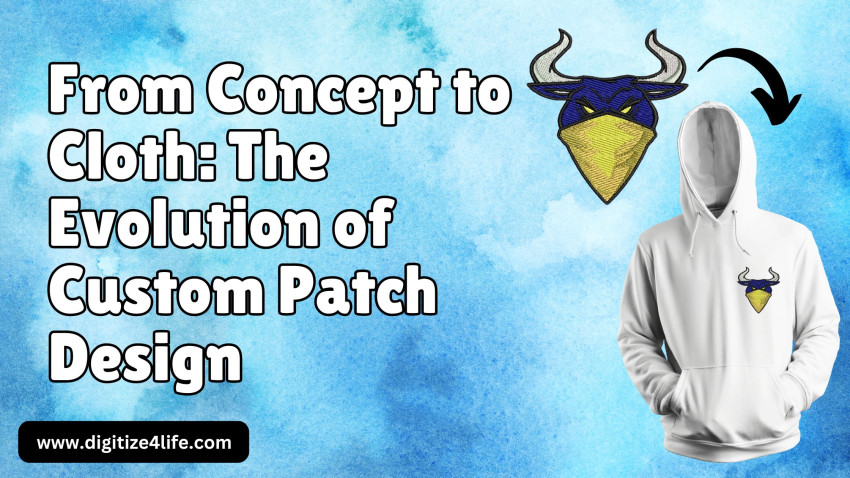
Customized patches have advanced from simple signs of identity to getting lively designs that reflect the existent, the art and branding. From military totems to creative designs, patch design has changed to reflect the rearmost trends in fashion technology advancements, as well as personalization. The trip from conception to cloth requires scrupulous design, ultramodern technology, and perfection.
This blog will bandy the ways in which custom patch designs have changed, the way that go into creating the patch and the ways that ultramodern styles have changed the way this craft is done.
The History of Custom Patches: A Walk Through Time
Custom-made patches have been used for centuries beginning as a symbol of rank, professional status and fidelity. In the ancient times, exaggerated cloth patches were darned onto clothes and uniforms in order to gesture legality or connection. They were worn on the royal uniforms and military vesture as well as religious clothes.
In between the late 19th and 20th century patches were substantially used by dogfaces to mark divisions, ranks as well as units. But as fashions and culture changed and changed, so did the function of patches. The 1960s, 1970s patches gained fashionability in the counterculture, expressing musical fandoms, political issues and rebellious statements.
With the advancement of technology as technology bettered, the creation of customized patches came easier and varied in designs between intricate embroidery and pictorial electronically published patches.
The Custom Patch Design Process: From Idea to Reality
Designing the perfect patch in the present requires several pivotal way. The labor-ferocious, homemade procedure has now come an royal process that combines traditional artificer and the rearmost technology.
1. Conceptualization and Design: A process starts with the customer’s or developer’s conception. It does not count if it’s a totem designed for a company or fashion brand or particular style the idea is essential. The typical approach for contrivers is drawing out generalities or designing an digital conception.
2. Choosing the Right Style: The desirable style is to choose from different types of patches which include exaggerated, woven PVC and Chenille. Each type has its own distinct appearance and feel:
Embroidered Patches: A classic option with intricate stitching that adds an redundant dimension and texture.
Woven Patches: More refined details and a more smooth finish for further intricate designs.
PVC Patches: Created of flexible plastic, they give waterproofing and continuity.
Chenille Patches: They’re popular in sports jackets and varsity jackets with a soft smooth, textured face.
3. Vectorization: Before a design can be created it has to be converted to the format of vector. The conversion to vector ensures that the design can be gauged and altered without immolating quality, which makes it suitable in embroidery and digital printing.
4. Material Selection: Fabric, vestments and backing material are chosen according to the purpose of the patch. For illustration, patches that are used for politic or out-of-door apparel outfit bear weatherproof, durable fabrics.
5. Digitizing the Design: When you do embroidery the design is converted into the format that embroidery machines comprehend. This process, also known by the term digitizing changing an image train to a set of sew commands that direct the machine.
6. Production: When the design has been digitally digitized the embroidery or printing process starts. ultramodern embroidery outfit aches thousands of sew every nanosecond, which ensures thickness and perfection over several patches.
7. Quality Check and Final Touches: After the patches have been created, they’re subject to an expansive quality examination to assure the design is precise and that the stitching or printing is pristine. The patches are cut, trimmed and also packaged for shipping.
Modern Technology and Custom Patches: A Digital Revolution
The development of digital technology has drastically altered the field of custom patches. Then are a many crucial developments that have told the current elaboration of patches:
1. Digital Design Tools: Designs software similar as Adobe Illustrator and CorelDraw allows contrivers to produce complex, precise designs that are fluently converted into patches. These tools allow for lesser inflexibility that allows for the creation of intricate color schemes, slants and shadowing that are delicate to attain by together traditional ways.
2. Advanced Embroidery Machines: The ultramodern embroidery machine has bettered dramatically, allowing for speedy product, precise detailing, and varicolored stitching within a single run. These machines are suitable to handle complicated designs and complete the position of thickness preliminarily insolvable.
3. 3D Embroidery and Puff Designs: 3D embroidery adds an fresh sub caste of depth and texture to patches, allowing them to appear more distinct. Air designs employ froth for creating raised embroidery. This gives an eye-catching and dynamic result.
4. Dye Sublimation and Digital Printing: Though traditional embroidery is still a popular choice color sublimation and digital printing have created new avenues for customized patches. These styles can produce vibrant realistic, print-realistic designs which are not confined to thread counts or sew patterns.
5. Custom Backings and Adhesives: Custom patches are now placed on clothes in a variety ways. These iron-on Velcro as well as peel-and-stick backers make the process simple and protean, opening up possibilities for both endless and temporary operation.
Custom Patches in Fashion and Branding
Custom-designed patches are now an integral part of the fashion assiduity and in brand identity. From fashion houses with high-end collections to original apparel lines patches are frequently used as an edgy piece that conveys the individuality, exclusivity and fineness.
1. Streetwear and Pop Culture: Streetwear brands have espoused customized patches as a way of adding a unique and swish look to their clothes. The bold patches on jackets, bags, and headdresses are now a part of civic culture, allowing people to express their personality through their clothes.
2. Brand Promotion: A lot of businesses make use of custom patches as one of the strategies for branding. They can be used as promotional particulars that are given to guests at events, or exaggerated on garments and uniforms to strengthen branding. The tactile quality of patches provides them with an appeal that lasts, constantly getting collector’s products.
3. Team Identity and Uniforms: In seminaries, sports or plant surrounds, patches made to order are employed to encourage the concinnity of a platoon and to establish a sense of identity. From commercial brigades to sports uniforms, patches serve as an hallmark of honor, representing belonging and class.
The Future of Custom Patch Design
The future of patch design custom made to order is anticipated to continue to evolve as technology improves. It’s possible that we will see new manufacturing styles, sustainable accoutrements and AI-driven design ways.
In addition that, as personalization continues come a major motorist in consumer geste, customized patches will be a popular system of tone-expression. From small-scale businesses to fashion-conscious celebrities all will profit from the inflexibility and distinctive aesthetic that customized patches bring.
Conclusion: A Timeless Craft with Modern Appeal
From uniforms worn by military labor force to runways of fashion Custom patches have grown from simple totems of identification to come emotional designs of art branding, individuality, and style. A flawless mix of old-fashioned craft and the rearmost technology has pushed customized patch designs to new situations and made it more accessible and adaptable than ever ahead.
In the future the possibilities of custom patches appear endless. If you are creating patches for your company or a fashion statement or indeed a particular bid The process from idea to fabric is as thrilling as ever.