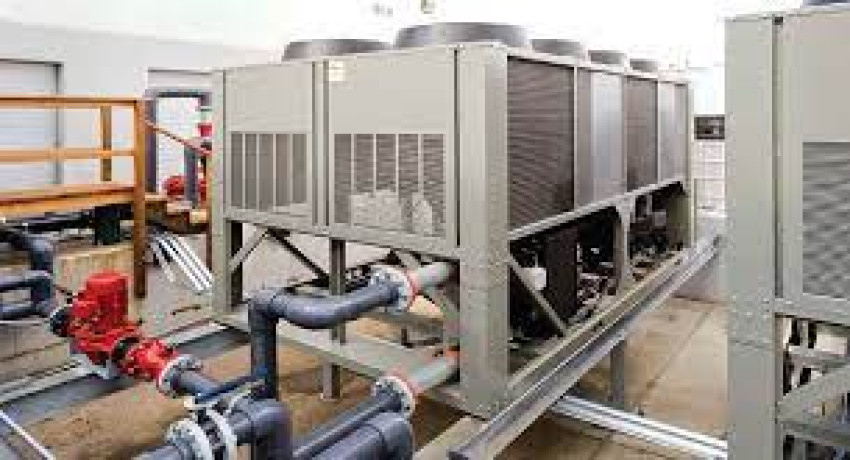
In HVAC systems, air-cooled chillers play a vital role as they move heat from the inside of buildings to the outside, so indoor temperature starts to change into a cool mood. It is important to maintain a comfortable indoor environment. For many commercial and industrial applications, it is essential to keep a pleasant indoor temperature.
These systems however use a lot of energy that can raise expenses and have an adverse effect on the environment. Enhancement of the energy efficiency of air-cooled chillers can lead to significant financial and ecological advantages. Here are some key pointers that consist of practical methods to improve your air-cooled chiller system's energy efficiency, that helps you to cut costs and lessen your carbon impact.
1. Regular Maintenance and Cleaning
It is one of the easiest methods to increase the efficiency of an air-cooled chiller. The heat transfer efficiency can be reduced by dust and debris build up on the coils and fins. To make these parts run appropriately, regular cleaning and inspection are necessary. You can save energy by operating the chillers at optimal levels and keep monitoring for leaks, that stops the chiller from working longer than needed.
2. Optimize Chilled Water Temperature
Amending the setpoint temperature of chilled water has a valuable effect on energy usage. Even a rise of a few degrees in chilled water can reduce the chiller's duty. Do this part carefully by examining the building's cooling requirements. For example, a moderate rise in chilled water temperature can save a notable amount of energy and it will not affect comfort level.
3. Implement a Chiller Sequencing Strategy
With the facilities of multiple air cooled chiller service, implementation of chiller sequencing plans can improve the efficiency of numerous units. You can be sure that every chiller performs in its most efficient range by staging the chillers as per the demand. By minimizing wear and tear, this process reduces the usage of wasteful energy and enhances the equipment's lifespan.
4. Upgrade to High-Efficiency Models
Consider replacing your outworn air-cooled chiller with a high-efficiency model. Newly designed chillers are engineered with cutting-edge technologies that upkeep functionality and minimize energy usage. Go for the chillers that have high Seasonal Energy Efficiency Ratios (SEER) or Energy Efficiency Ratios (EER). Feasible objectives can also be met by selecting a chiller with environment friendly refrigerants.
5. Optimize Heat Rejection
The ability of air-cooled chillers to dismiss heat into the surrounding environment is directly related to its efficiency. The improvement of heat rejection can be done by ensuring the chiller is placed in a well-ventilated area and has appropriate airflow. It shouldn’t be positioned next to other heat-generating devices or in closed space. Its efficiency can be increased by installing reflecting or shaded surfaces that help to lower the surrounding air temperature.
6. Monitor and Control System Performance
A reliable monitoring and control air cooled chiller system lets you track the chiller's functioning in real time. To maximize efficiency, highly developed control systems can automatically modify operating settings. You can easily find inefficiencies by keeping a close eye on essential performance metrics like pressure, temperature and power consumption.
Conclusion
Improvement of air-cooled chillers' energy efficiency helps in minimizing environmental effects and also cuts down the operating expenses. The energy can be saved by using sophisticated control systems, upgrading equipment, optimizing operational settings and executing routine maintenance. With knowledge of the latest advancements in chiller efficiency and best practices as technology progresses, maintenance of a sustainable and economical HVAC system can be made easier.