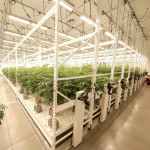
Vertical farming has emerged as a promising solution to address the challenges of traditional agriculture, such as limited arable land, water scarcity, and climate change. By utilizing vertical space and innovative growing techniques, vertical farming offers the potential to produce fresh, nutritious crops year-round in urban environments and remote areas. In this comprehensive guide, we will explore the steps and considerations involved in setting up a vertical farming operation.
Understanding Vertical Farming
Before diving into the setup process, it's essential to understand what vertical farming entails. Vertical farming is a method of growing crops in vertically stacked layers, often in controlled indoor environments such as warehouses, shipping containers, or high-rise buildings. These vertical farming systems use technologies such as hydroponics, aeroponics, or aquaponics to provide plants with water, nutrients, and light, optimizing growing conditions and maximizing yields.
Step 1: Define Your Goals and Objectives
The first step in setting up a vertical farming operation is to define your goals and objectives. Determine the type of crops you want to grow, the scale of your operation, and your target market. Consider factors such as crop demand, local climate conditions, and available resources when setting your goals.
Step 2: Select a Suitable Location
Choose a suitable location for your vertical farm based on factors such as access to utilities (electricity, water), proximity to markets, and zoning regulations. Indoor spaces such as warehouses, basements, or repurposed buildings are commonly used for vertical farming. Ensure that the chosen location has adequate space, ventilation, and environmental controls to support plant growth.
Step 3: Design Your Vertical Farming System
Designing an efficient vertical farming system involves selecting the appropriate growing technology, layout, and infrastructure. Consider factors such as:
- Growing System: Choose between hydroponic, aeroponic, or aquaponic systems based on your crop selection, available space, and budget.
- Lighting: Select suitable artificial lighting systems (LED, fluorescent, or HPS) to provide the necessary light spectrum for plant growth.
- Irrigation: Install an efficient irrigation system to deliver water and nutrients to plants while minimizing water waste.
- Environmental Controls: Implement climate control systems (temperature, humidity, CO2) to create optimal growing conditions and maximize crop yields.
Step 4: Source Equipment and Supplies
Once you've finalized your vertical farming system design, it's time to source the necessary equipment and supplies. This may include:
- Growing racks or towers
- Growing trays or containers
- Nutrient solutions and fertilizers
- Seeds or seedlings
- Lighting fixtures
- HVAC systems
- Monitoring and automation tools
Research reputable suppliers and compare prices and quality to ensure you get the best value for your investment.
Step 5: Install and Test Your Vertical Farming System
Install your vertical farming system according to the design specifications, following manufacturer guidelines and safety protocols. Test the system's functionality and performance to identify any issues or areas for improvement. Conduct trial runs with a small batch of crops to optimize growing conditions and refine your cultivation techniques.
Step 6: Monitor and Maintain Your Vertical Farm
Once your vertical farm is up and running, it's crucial to monitor its performance and maintain optimal growing conditions. Regularly check environmental parameters such as temperature, humidity, and nutrient levels, and make adjustments as needed. Implement preventive maintenance schedules for equipment and infrastructure to minimize downtime and ensure consistent crop production.
Step 7: Harvest and Market Your Crops
Finally, harvest your crops at the peak of freshness and quality and prepare them for market. Develop a marketing strategy to promote your vertical farm products to local consumers, restaurants, or retailers. Emphasize the benefits of fresh, locally grown produce, such as superior taste, nutritional value, and sustainability.
Conclusion
Setting up a vertical farming operation requires careful planning, design, and execution, but the potential rewards are significant. By harnessing the power of vertical space and advanced growing technologies, vertical farming offers a sustainable solution to meet the growing demand for fresh, healthy food while minimizing environmental impact. Follow the steps outlined in this guide to embark on your vertical farming journey and contribute to the future of agriculture.