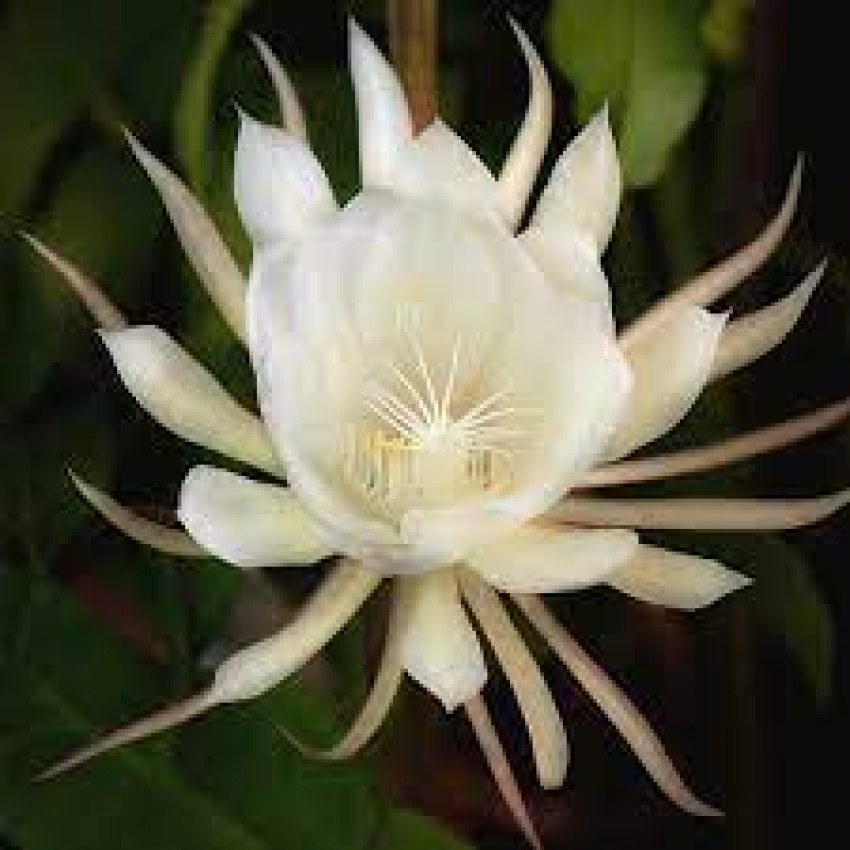
Introduction: The Brahmakamal, scientifically known as Saussurea obvallata, is a mystical and revered flower found in the Himalayan region. With its elegant white petals and distinct fragrance, this flower holds significant cultural and religious importance in various traditions, particularly in Hinduism and Buddhism. Beyond its religious symbolism, the Brahmakamal is also cherished for its medicinal properties and botanical uniqueness.
Botanical Characteristics: The Brahmakamal belongs to the Asteraceae family and is native to the alpine regions of the Himalayas, typically found at altitudes ranging from 3,000 to 4,500 meters. It is a perennial herb with a rosette of leaves and a solitary flower that blooms in late summer or early autumn. The flower has numerous white petals arranged in layers, resembling a lotus in its appearance, hence the name "Brahmakamal," which translates to "Lotus of Brahma" in Sanskrit.
Cultural Significance: In Hindu mythology, the Brahmakamal is considered sacred and is associated with various deities, including Lord Brahma, the creator of the universe, and Goddess Lakshmi, the goddess of wealth and prosperity. It is often used in religious rituals and ceremonies, symbolizing purity, divinity, and auspiciousness. The flower is also believed to bring good luck and is offered to deities in temples and during worship.
Similarly, in Tibetan Buddhism, the Brahmakamal holds significance as a symbol of purity and enlightenment. It is revered as a representation of the lotus throne of Buddha and is offered as a gesture of devotion and reverence in monasteries and spiritual ceremonies.
Medicinal Uses: Apart from its cultural and religious importance, the Brahmakamal also possesses medicinal properties. In traditional Ayurvedic medicine, various parts of the plant, including the flower, leaves, and roots, are used to treat various ailments such as respiratory disorders, digestive issues, and inflammation. It is believed to have antioxidant, anti-inflammatory, and analgesic properties, making it a valuable herb in herbal medicine systems.
Conservation Efforts: Despite its cultural significance and medicinal value, the Brahmakamal plant faces threats due to habitat loss, climate change, and over-harvesting. Conservation efforts are underway to protect this endangered species and its fragile ecosystem. Initiatives such as habitat restoration, cultivation in controlled environments, and awareness campaigns are essential to safeguarding the future of the Brahmakamal plant.
Conclusion: The Brahmakamal plant stands as a symbol of cultural heritage, spiritual significance, and ecological importance in the Himalayan region. Its exquisite beauty, coupled with its rich cultural and medicinal value, makes it a truly remarkable and cherished botanical marvel. By preserving and nurturing this precious plant, we not only safeguard our natural heritage but also honor the profound connections between humanity, spirituality, and the natural world.