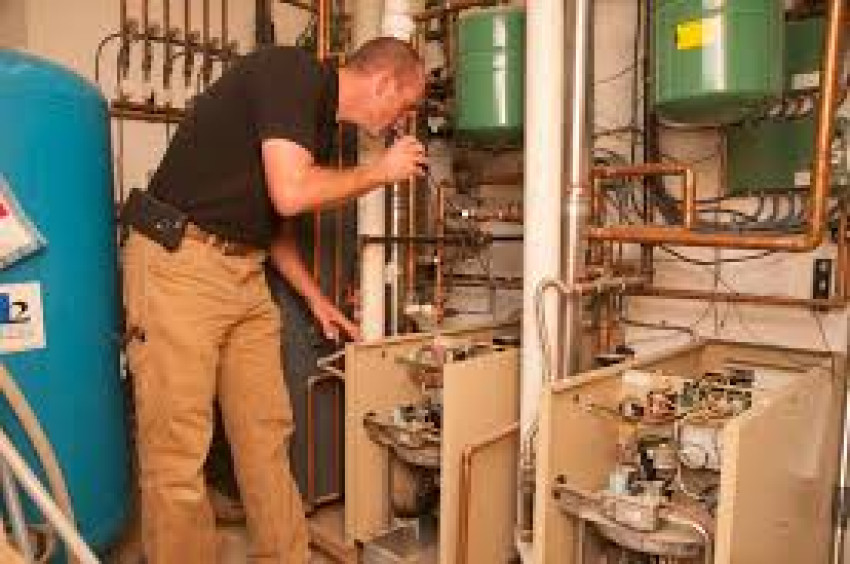
Purchasing a home is likely one of the biggest financial decisions you'll make in your life. When making such a major investment, it pays to do your due diligence to ensure you fully understand the condition of the property before signing on the dotted line. This is where hiring a professiona Home Inspection Company in Denver can provide invaluable insights.
In this blog post, we'll explore tips for researching, vetting and choosing the right home inspector for your needs in the Denver, TX area. We'll also examine current real estate market conditions in the region to understand how they may impact the inspection process.
The Importance of Home Inspections in Today's Market
In recent years, the Denver real estate market has been defined by low inventory and high buyer competition. This creates an environment where homes often sell rapidly, sometimes even site-unseen.
While a hot sellers' market may tempt buyers to skip the home inspection contingency, this can be incredibly risky. Waiving the inspection contingency means purchasing the property as-is, with no negotiated fixes for issues found later. This leaves buyers vulnerable to inherited problems that could cost thousands down the road.
Even in competitive markets, home inspections remain as important as ever for making informed buying decisions. An inspection provides vital insights into a home's condition that can impact negotiations, uncover major red flags, or prevent catastrophic failures after moving in.
As a buyer, a thorough home inspection gives you an objective, unbiased assessment of the property's overall health from an experienced professional. This helps you make smarter, more confident decisions during a time of major financial investment.
Researching Home Inspection Companies in Denver
Finding the right home inspector involves doing your homework. You'll want to research multiple companies in your area to find an inspector that best fits your specific needs and budget.
Here are some tips for researching home inspection firms in the Denver area:
Check licensing & certifications - In Texas, home inspectors must hold a real estate inspector license issued by the Texas Real Estate Commission. Confirm any company you're considering carries all required state licensing. Additional certifications through respected organizations like ASHI and InterNACHI can also indicate more extensive training and expertise.
Look for experience - The best indicator of an inspector's skill is their track record inspecting homes similar to your property type. Look for companies with 5+ years of experience in the Denver market, with specific background inspecting suburban homes, older properties, luxury builds, etc.
Read reviews - Online customer reviews offer transparency into an inspector's process, communication skills, technical abilities and more. Look for companies with multiple five-star reviews praising their thoroughness, professionalism and knack for explaining issues in a digestible way.
Compare services - Not all home inspections are created equal. Compare the inspection scope, testing capabilities and deliverables across companies. Some inspect more home systems and components than others. Also look for value-adds like moisture testing, thermal imaging and mold analysis.
Ask about volume - Busy inspectors doing 6+ inspections a day may rush through your home. Seek out companies that limit schedules to allow more time on-site to catch smaller issues. Low volume suggests greater attention to detail.
Verify availability - Inspections add a small time buffer into contract deadlines. Verify companies have availability within your desired timeframe before an offer deadline. Flexible schedulers can better accommodate fast-paced contract timelines.
Taking time to carefully evaluate multiple inspection firms builds assurance you're choosing a thorough, skilled professional for one of the most important steps in the home buying process.
Questions to Ask Prospective Home Inspectors
Once you've identified a few top contenders through your initial research, the next step is interviewing inspectors directly. This gives you a chance to vet their qualifications, understand their process and evaluate if you feel comfortable with them inspecting your potential biggest investment.
Some key questions to ask any home inspector under consideration include:
How long have you been performing home inspections in the Denver area? Do you have experience with common issues in local homes?
What specific training programs have you completed? Do you hold any professional certifications?
What systems, items and areas will be included in the inspection? How long will the inspection take?
Do you provide thermal imaging? Moisture testing? Other supplemental services?
Will I receive a written report summarizing issues found and recommendations to address them? How soon after the inspection?
What type of insurance do you carry? Are you properly licensed in the state of Texas?
What level of detail will be noted for concerns found? What kind of photos or videos will be included?
How and when can we communicate during the inspection? Will you review findings with me before leaving?
Do you conduct inspections solo or bring a team? Who will be inspecting my home?
On average, how many inspections do you conduct per week?
What differentiates you from competitors in the market? Why should I choose your services?
Their responses to these questions will help you evaluate which provider best fits your inspection needs based on experience, methods, communication style, availability and overall expertise.
Red Flags to Watch Out For
While the majority of home inspectors maintain high ethical standards, there are still some out there who cut corners or fail to provide complete service. Be on the lookout for any of these red flags as you evaluate inspectors:
⛔ Rushing the inspection - Inspections that move too quickly gloss over major issues. Seek meticulous inspectors who allocate ample time on-site.
⛔ Pushing repairs/Specific contractors - Inspectors should remain neutral third-parties. Beware any pushing their own contracting services or specific companies to handle repairs.
⛔ Lacking proper licensing - Always verify active Texas real estate inspector licenses. A lack of proper credentials is a major warning sign.
⛔ Sparse inspection reporting - Thorough reports with photos and narratives are essential. Avoid inspectors providing generic, boilerplate or insufficient findings.
⛔ Poor communicator - You should feel comfortable interacting with and asking questions of your chosen inspector. Unresponsive, impatient or condescending personalities are problematic.
⛔ Bad online reviews - Multiple negative reviews suggest consistent problems with the company's quality or service.
⛔ Lowball pricing - Radically cheap inspections may seem appealing but can indicate cutting corners that miss issues.
Being alert for these red flags helps avoid hiring subpar inspectors that could cost you big-time after purchasing your home.
Key Factors That Impact Inspection Effectiveness
To receive the highest value from your home inspection, it helps to be aware of certain variables that can influence what issues an inspector can catch on a given day:
Accessibility - Inspectors need full access to thoroughly evaluate attics, crawlspaces, electrical boxes, pipelines, roofing, etc. Limited access can restrict visibility.
Weather conditions - Extreme temperatures, recent storms or heavy snow cover can obscure exterior issues. Inspections after heavy rains help spot water intrusion problems.
Cleanliness - Heavily cluttered properties make it tougher to spot underlying problems. Excess furniture and stored items limit views.
Home residents - Occupied homes with residents, pets or unattended children present additional distractions for inspectors.
Time of day - Lighting conditions influence an inspector's ability to spot concerns, especially around electrical, plumbing and damp areas.
Time of year - Seasonal issues like A/C or heating functionality, roof leaks, gutters, etc. are best evaluated close to peak operation seasons.
Scope limitations - Declining any optional inspection scope, like sewer scopes or chimney inspections, leaves potential issues hidden.
Being mindful of these factors can help you schedule your inspection at an optimal time to maximize detection of existing property conditions.
Estimating Home Inspection Costs in Denver
Home inspection prices can vary across providers based on their experience, breadth of services and overhead costs. However, inspection costs also depend on size and unique characteristics of the home.
Here are typical price ranges you can expect for Denver home inspections:
1,000 sq ft or less - $250 - $400
1,000 - 2,500 sq ft - $300 - $500
2,500 - 5,000 sq ft - $400 - $700
Over 5,000 sq ft - $700+
Unique property features like age, multiple levels or outbuildings may involve additional fees. Older homes generally require more time for inspectors to thoroughly evaluate potential issues. Multiple inspection scope add-ons can also increase costs.
Keep in mind that cheaper inspectors are not necessarily better. Comprehensive inspectors with more experience and tools at their disposal typically fall on the higher end of pricing. Paying a little more upfront for a highly-qualified inspector can surface issues that prevent exponentially larger expenses from unexpected repairs post-purchase
Attend the inspection - Join your inspector on-site to see issues first-hand and ask real-time questions. If unable to attend, speak to the inspector over the phone afterwards to understand findings.
Take notes - Compile your own list of concerns beyond the inspector's report for easy reference during negotiations.
Ask lots of questions - Speak up about any terminology or issues you don't understand. Inspectors appreciate engaged clients.
Discuss dealbreakers - Raise any inspection findings that may influence your willingness to move forward with the purchase.
Talk next steps - Ask your inspector about suggested timeframes and costs for repairs or further evaluation needed.
Review warranties - For newer homes or work done, ask for copies of any contractor warranties that may cover defects found.
Look into inspectors' errors and omissions insurance - This coverage protects you financially in the unlikely event something is missed during the inspection that leads to significant damages.
Consider a follow-up inspection - For older homes, a second-look after repairs or just before closing may catch small issues that pop up.
Taking an active role in the inspection process helps you gain a deeper understanding of the home while building a case for negotiating credits, fixes or backing out if needed.
Don't Waive the Home Inspection Contingency
The temptation to make offers more attractive by waiving the inspection contingency is understandable in hypercompetitive markets like Denver. However, bypassing an inspection is an incredibly risky move for buyers that can backfire terribly.
Here are some key reasons you should never waive your right to a home inspection:
You have no idea about hidden issues - Prior owners cover flaws.Critical problems hide behind walls and under flooring unseen without an expert inspection.
Repairs can be wildly expensive - Remediating issues like mold, electrical fires or faulty foundations down the road costs exponentially more than paying for inspection upfront.
Protections are eliminated if issues arise - Waiving inspection voids leverage for credits or cancellation if faced with expensive problems uncovered later.
Your loan could be impacted - Lenders want assurance of property condition to secure financing. Forgoing inspection causes uncertainty.
It's like buying a car without looking under the hood - You wouldn't purchase a vehicle without diligent inspection, so why make an even larger investment in a home without one?
You lose vital negotiating leverage - Documentation of issues found gives buyers stronger standing to negotiate price reductions and seller-covered repairs.
Without an objective inspection prior to closing, you are left vulnerable to unknowingly purchasing a money pit of hidden defects and safety hazards that can quickly turn a dream home into a financial nightmare. Paying a few hundred dollars for the inspector's expert lens will save you thousands down the road.
Follow Your Inspector's Recommendations
You're hiring an inspection professional for their unbiased, technical assessment. So if issues are called out in their report, take those recommendations seriously.
While smaller concerns may just warrant ongoing monitoring, your inspector will flag significant issues needing prompt attention. This may include:
Roof - Advanced age, extensive leaks or structural damage. Roofs past their prime will require full replacement soon.
Electrical - Faulty wiring, overloaded circuits or insufficient capacity for the home's needs. Outdated electrical poses major fire risks.
HVAC - Units near end of lifespan, low refrigerant, faulty ductwork or other indicators replacement should happen in the next 1-2 years.
Plumbing - Signs of leaks, clogs, drainage problems or water pressure issues. Sewer scopes reveal damaged pipes below ground.
Structural - Major framing concerns like compromised load-bearing walls or shifting foundations requiring urgent structural engineering.
Mold - Elevated humidity and moisture enabling mold growth, especially in damp crawlspaces or basements.
For any critical concerns like these impacting safety, structure or essential home systems, strongly consider following your inspector's advice. The cost incurred now likely saves you exponentially larger expenses fixing catastrophes later.
Ask About Any Unknowns
Some limitations inherently exist within home inspections. Home inspectors cannot see behind walls or under floors. Appliance life expectancy is just estimated. And issues can certainly arise between the inspection and closing dates.
If any aspects give you pause, ask your inspector direct questions. Their knowledge can provide more insights on what to watch for after moving in. Some examples of worthwhile questions:
Based on your experience, what's the typical lifespan left for the water heater or HVAC system?
What type of recurring maintenance is needed for the roof and exterior to maximize longevity?
Are there any areas you couldn't fully view where issues may be hiding?
Given the home's age and construction type, where should I be most vigilant in monitoring for problems?
What seasonal conditions might impact any issues not fully observable today?
What should I budget annually for expected repairs and preventative maintenance?
Your inspector wants you to become a wise, informed homeowner. Their guidance empowers you to proactively manage your property and avoid preventable issues. Don't be afraid to tap their knowledge base.
Selecting the Right Denver Home Inspector for You
Finding the ideal home inspector involves balancing several factors - robust expertise, quality track record, proper licensing, responsive communication, comprehensive process and more.
While cost plays a role, resist choosing an inspector based on price alone. The extra dollars spent for experience, technology and attention to detail provide exponential value compared to inspectors offering bare bones services.
Be a savvy consumer by getting educated on inspectors operating in the Denver market. Ask smart questions, verify credentials and seek out five-star customer reviews to guide your search.
Connecting with the right home inspector acts as your secret weapon through a stressful home buying journey in a fast-paced market. Their keen eye and technical know-how equip you to target risk areas during negotiations and make wise decisions on your most important investment. With thousands at stake in the transaction, a knowledgeable inspector in your corner provides peace of mind and helps ensure your new property meets your needs for years to come