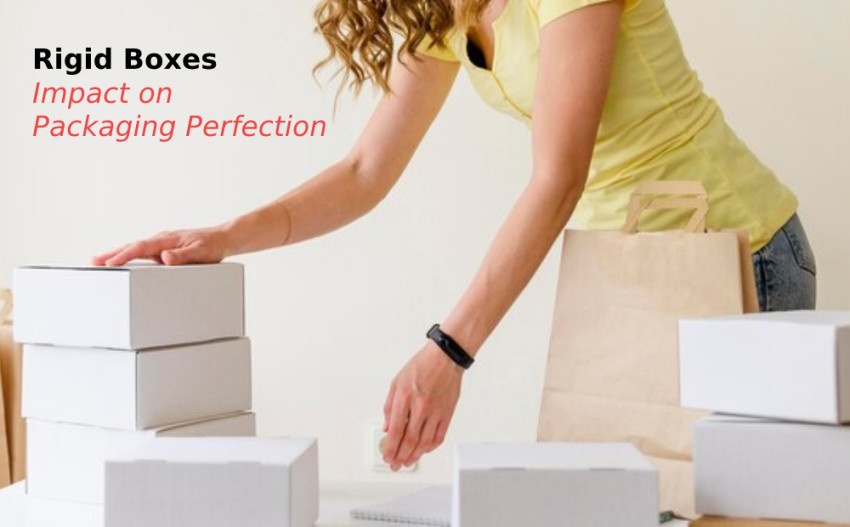
Packaging plays a crucial role in a product's success, and one key player in the realm of premium and luxurious packaging is the rigid box. In this comprehensive guide, we will delve into the intricate world of rigid boxes, exploring their construction, design possibilities, and the substantial impact they can have on elevating the overall packaging experience.
The Anatomy of Rigid Boxes: Understanding the Construction
At the heart of a rigid box's allure lies its construction. Unlike traditional folding cartons, rigid boxes are crafted from sturdy materials such as paperboard, chipboard, or corrugated fiberboard. The rigid nature of these materials imparts strength, durability, and a premium feel to the packaging.
Rigid boxes typically consist of two main components: the base and the lid. Both components are precision-cut and expertly assembled to create a seamless and robust structure. The materials used are chosen not only for their sturdiness but also for their ability to showcase intricate designs and textures, enhancing the overall aesthetic appeal.
Designing for Impact: Creative Possibilities with Rigid Boxes
The design possibilities with rigid boxes are virtually limitless. Brands can leverage various finishing options, including embossing, debossing, foil stamping, and spot UV coating, to add a touch of sophistication to their packaging. The rigid surface of these boxes provides an excellent canvas for high-quality printing, allowing for intricate details and vibrant colors.
One notable advantage of rigid boxes is their ability to incorporate unique structural elements. Magnetic closures, ribbon pulls, and custom inserts can be seamlessly integrated, adding a layer of functionality and luxury to the packaging. The design of a rigid box is not just a visual aspect; it is an integral part of the overall unboxing experience, leaving a lasting impression on consumers.
The Advantages of Rigid Boxes over Traditional Packaging
Rigid boxes offer several advantages over traditional packaging solutions, making them an increasingly popular choice among brands aiming for premium presentation. One of the primary benefits is their exceptional durability. The rigid structure provides protection against external forces, ensuring that the enclosed product remains safe and intact during transit and on the retail shelf.
Moreover, rigid boxes exude a sense of luxury that can significantly enhance a brand's perceived value. The premium look and feel of these boxes make them ideal for high-end products such as jewelry, electronics, cosmetics, and gourmet foods. The tactile experience of handling a rigid box creates a sense of anticipation and excitement, contributing to a positive consumer experience.
Sustainability in Rigid Box Manufacturing: Trends and Innovations
As sustainability becomes an increasingly important consideration for both brands and consumers, rigid box manufacturers are adapting to meet eco-friendly demands. Many companies now offer rigid boxes made from recycled and recyclable materials, reducing the environmental impact of packaging.
Innovations in sustainable rigid box manufacturing include water-based inks, vegetable-based adhesives, and eco-friendly coatings. Brands can now choose rigid boxes that align with their commitment to environmental responsibility without compromising on quality or aesthetics.
Case Studies: Brands that Nailed Packaging with Rigid Boxes
To illustrate the real-world impact of rigid boxes, let's explore a few case studies of brands that have successfully integrated these premium packaging solutions into their strategies.
Case Study 1: Apple
Apple is renowned for its sleek and sophisticated product packaging. The company's use of rigid boxes for products like iPhones and MacBooks enhances the overall premium experience associated with its brand. The sturdy structure of the rigid box not only protects the delicate electronic devices but also adds to the perceived value of the products.
Case Study 2: Tiffany & Co.
When it comes to luxury jewelry, Tiffany & Co. sets the gold standard. The iconic Tiffany Blue Box, synonymous with exclusivity and elegance, is a rigid box that has become an integral part of the brand's identity. The carefully crafted box adds to the anticipation and joy of receiving a piece from Tiffany & Co.
Customization Options: Tailoring Rigid Boxes to Your Brand
One of the standout features of rigid boxes is their high level of customization. Brands can work closely with packaging manufacturers to create bespoke rigid boxes that align with their brand identity and product specifications. From choosing the right materials and finishes to incorporating unique structural elements, the customization options are vast.
Customized rigid boxes allow brands to tell a story through their packaging, creating a connection with consumers. Whether it's through embossed logos, personalized messages, or thematic designs, the ability to tailor rigid boxes ensures that the packaging becomes an extension of the brand itself.
Rigid Boxes in Different Industries: A Versatile Packaging Solution
The versatility of rigid boxes extends across various industries. From cosmetics and fashion to electronics and gourmet foods, brands in diverse sectors are recognizing the value of investing in premium packaging. Let's explore how rigid boxes are making an impact in different industries:
Beauty and Cosmetics
In the beauty industry, presentation is key. Rigid boxes provide an ideal solution for packaging high-end skincare and cosmetic products. The luxurious feel of the packaging aligns with the premium nature of beauty products, enhancing the overall consumer experience.
Electronics
Electronics brands often opt for rigid boxes to package flagship devices. The robust structure of the box offers optimal protection for delicate electronics, while the premium look adds to the perceived value of the product.
Gourmet Foods
Gourmet foods, especially chocolates and confections, benefit from the elegance of rigid boxes. The packaging not only protects the delicacies but also serves as a canvas for creative and eye-catching designs, making the product stand out on the shelf.
Tips for Choosing the Right Rigid Box for Your Product
Selecting the right rigid box for your product involves considering various factors, including the type of product, target audience, and brand positioning. Here are some tips to guide you through the decision-making process:
Understand Your Product: Consider the size, weight, and fragility of your product. Ensure that the chosen rigid box provides adequate protection during handling and transportation.
Reflect Your Brand: The design of the rigid box should align with your brand identity. Consider color schemes, typography, and visual elements that resonate with your brand's image.
Consider Unboxing Experience: Think about the unboxing experience you want to create for your customers. Elements like magnetic closures, ribbon pulls, and custom inserts can enhance the overall experience.
Environmental Considerations: If sustainability is a priority for your brand, explore rigid box options made from recycled or eco-friendly materials.
Collaborate with Packaging Experts: Work closely with packaging manufacturers who specialize in rigid boxes. Their expertise can help you navigate the customization process and ensure the final product meets your expectations.
Rigid vs. Flexible Packaging: Making an Informed Decision
While rigid boxes offer a premium and luxurious packaging solution, flexible packaging has its own set of advantages. Choosing between the two depends on factors such as product type, industry standards, and brand positioning. Let's compare the characteristics of rigid and flexible packaging to help you make an informed decision:
Rigid Packaging
Strength and Durability: Rigid boxes provide excellent protection for delicate or valuable products.
Luxurious Look and Feel: The premium appearance of rigid boxes enhances the perceived value of the product.
Customization Options: Highly customizable, allowing brands to create unique and visually stunning packaging.
Flexible Packaging
Cost-Effectiveness: Flexible packaging is often more cost-effective, making it a practical choice for budget-conscious brands.
Space Efficiency: Flexible packaging takes up less space, which is advantageous for storage and transportation.
Versatility: Suitable for a wide range of products, especially those with irregular shapes or varying sizes.
Ultimately, the choice between rigid and flexible packaging depends on your specific product, brand strategy, and budget considerations.
Future Trends in Rigid Box Packaging: What to Expect
As we look to the future, several trends are shaping the landscape of rigid box packaging:
Smart Packaging: Integration of technology, such as NFC tags and QR codes, to enhance the consumer experience and provide additional information about the product.
Eco-Friendly Innovations: Continued emphasis on sustainable materials and manufacturing processes to meet the growing demand for environmentally conscious packaging.
Personalization: Increasing focus on personalized packaging to create a unique and memorable connection with consumers.
Minimalist Designs: A shift towards minimalist and clean designs, reflecting a modern aesthetic and conveying a sense of sophistication.
Conclusion
In the world of packaging, rigid boxes stand out as a symbol of luxury and elegance. From their sturdy construction and customizable designs to the impact they have on consumer perception, rigid boxes play a pivotal role in creating a memorable unboxing experience.
As brands continue to prioritize the overall presentation of their products, the demand for premium packaging solutions like rigid boxes is expected to rise. Whether you're in the beauty, electronics, or gourmet food industry, understanding the intricacies of rigid boxes and how they align with your brand can be a game-changer in capturing the attention and loyalty of consumers.
In an era where packaging is not just a means of protecting products but a crucial aspect of brand identity, embracing the art and science of rigid box packaging can set your brand apart, leaving a lasting impression that goes beyond the initial purchase.