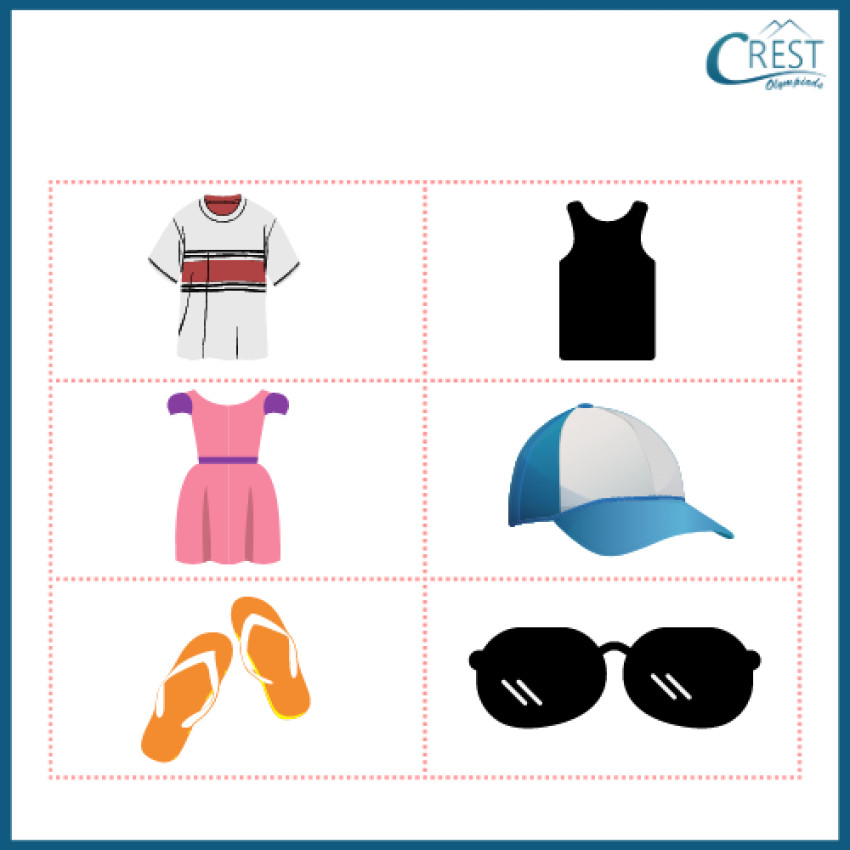
Clothes are items that we wear on our bodies to protect ourselves and to feel comfortable. There are different types of clothes for different purposes and occasions.
The clothes we wear change depending on the weather and where we live. Some suitable clothes for different seasons are:
Summer
a) In summer, it gets really hot outside, so we wear clothes that help us stay cool and comfortable.
b) We wear loose-fitting and lightweight clothing made of breathable fabrics like cotton or linen.
c) Shorts, t-shirts, tank tops and dresses made of light fabrics are commonly worn in summer.
d) Apart from clothes we wear hats and sunglasses to protect us from the sun.
e) Sandals, flip-flops and breathable sneakers are suitable footwear choices.
Winter
a) Winter is the season when it gets very cold outside, so we wear warm clothes to stay cosy.
b) Heavyweight fabrics like wool and fleece are worn for insulation.
c) Coats, jackets, long-sleeved shirts and turtlenecks help protect from cold.
d) We wear hats to cover our heads, scarves to keep our necks warm and gloves to protect our hands from the cold.
e) Boots or waterproof shoes with warm socks are appropriate footwear choices.
Rainy
a) When it comes to dressing for the rainy season, the primary goal is to stay dry and comfortable.
b) We choose clothes that dry fast, so they don't stay wet and make us feel cold.
c) We wear a raincoat or waterproof jacket to protect ourselves from rain showers.
d) We wear waterproof shoes or rain boots to keep our feet dry.
e) Carrying an umbrella and a waterproof bag can shield us from rain and keep our belongings dry.
Clothes are an essential part of human life, serving both practical and cultural purposes. They offer protection from the elements, comfort, and enable self-expression. The range of clothes we wear is vast and diverse, reflecting various climates, occupations, and personal preferences.
Functional clothing, like warm coats in winter or breathable fabrics in summer, shields us from weather extremes. Clothes provide a barrier against physical harm, UV radiation, and environmental pollutants, promoting safety and well-being.
Beyond utility, clothing is a powerful form of self-expression and cultural identity. Different styles, colors, and designs convey personal tastes and affiliations. Traditional clothing reflects cultural heritage and can symbolize a person's origin or beliefs. In professional settings, clothing often communicates professionalism and competence.
The production of clothing involves intricate processes, from sourcing materials to manufacturing. Cotton, wool, silk, and synthetic fibers are woven, knitted, or sewn into various garments. This industry has economic and environmental implications, with a growing emphasis on sustainable and ethical practices.
As fashion trends evolve, clothing reflects changing aesthetics and societal norms. It plays a role in shaping perceptions and impacts self-esteem. However, it's important to strike a balance between fashion and sustainability, as the fast-paced nature of the industry can have ecological and social consequences.
In conclusion, clothing is much more than a simple covering. It's a blend of practicality, culture, and personal expression, reflecting our needs, tastes, and the dynamic world we inhabit.